

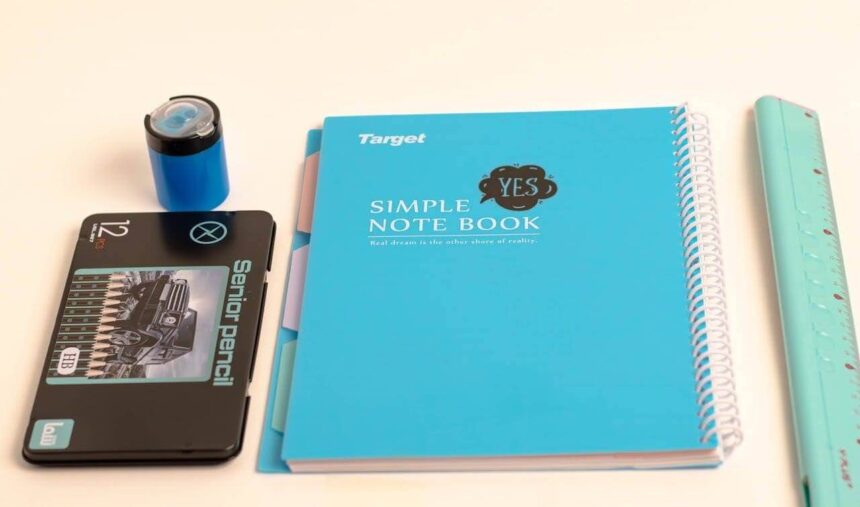
Think about what’s sitting in your car right now. There’s probably a reusable shopping bag stuffed under the seat, a pen rolling around in the cup holder, or a branded travel mug you grabbed at some trade show two years ago. You don’t remember exactly when you got it. You don’t remember who gave it to you. You just use it. That’s not a marketing failure. That’s a marketing miracle.
Digital ads disappear in seconds. A 30-second video ad is gone before you even register it. A promotional product? It sticks around. It shows up on a commute, at a desk, in a gym bag. It keeps working long after the campaign budget is spent.
Why Promo Products Outlast Every Other Ad Format
Most advertising is rented space, especially in an online business. You pay for a slot, your message runs, then it’s gone. Promotional products are different because they become owned objects. The person receiving them integrates the item into their daily life, and your brand rides along.
A tote bag goes to the grocery store. A logoed hoodie gets worn on a morning walk. A keychain gets touched every single time someone unlocks a door. These aren’t glamorous placements, but they are real, repeated, and remembered. That kind of consistent brand exposure is nearly impossible to buy through digital channels alone.
Studies consistently show that people keep useful promotional products for over a year, with many items staying in circulation for far longer. A pen or a mug doesn’t have a skip button.
| 3+
years avg item lifespan |
85%
Recipients recall the brand |
6x
more cost-effective than digital |
Choosing Items People Actually Want to Keep
Not all promo items are created equal. There’s a graveyard of cheap pens, flimsy tote bags, and stress balls that ended up in a junk drawer and eventually the trash. The difference between a product that lives in someone’s daily routine and one that dies in a drawer is usefulness.
If you’re sourcing products for your brand, working with a quality supplier makes all the difference. Oak and Twine offers curated promotional products that are designed to actually be used, not just handed out. When a product is well-made and genuinely functional, people keep it. That’s the whole point.
Think about the items that tend to stick around: water bottles, quality pens, portable chargers, fleece jackets, and notebooks. These are things people reach for every day. When your logo is on a water bottle that someone carries to the gym three times a week, you’re getting thousands of brand impressions for the cost of a single item.
| A poorly made item gets thrown away. A well-made item becomes part of someone’s routine and takes your brand with it. |
How Repetition Does the Heavy Lifting
Marketing research has long pointed to the rule of seven, the idea that a person needs to encounter a brand roughly seven times before they take action. Digital marketing tries to achieve this through retargeting ads and email sequences. Promo items do it passively, without you having to do anything extra.
Someone gets your branded travel mug at a conference. They use it on Monday morning. Again on Wednesday. They bring it to a meeting. A colleague notices it. That’s already four or five impressions from a single item, and none of them felt like advertising. This is passive reach. Your brand is in the room without being pushy about it.
There’s also a social layer here. When someone carries or wears your brand in public, other people see it. A well-designed tote or hoodie can turn a single customer into a walking billboard, one that other people find credible because it’s carried by a real person, not a paid placement.
What Makes a Promo Campaign Worth It
- Match the item to the audience
A fitness brand giving away water bottles makes sense. A law firm giving away the same? Maybe less so. Your product should feel like it belongs to your brand.
- Invest in quality
A cheap pen that runs dry in a week does more harm than good. A solid pen someone uses for a year does real work. Price per impression is far lower on quality items.
- Keep branding clean and minimal
A giant logo screams freebie. A subtle, well-placed logo on a great-looking product says this brand has taste. Subtlety wins in promo design.
- Give it to the right people
Random distribution waters down your impact. Promo items are most powerful when given to existing customers, warm leads, or people who already have a reason to care about your brand.
Long Game Thinking in a Short Attention World
Everyone in marketing is obsessed with speed, click-through rates, conversion windows, and 24-hour campaign cycles. Promotional products operate on a completely different timeline, and that’s their strength. They don’t convert in 24 hours. They build presence over months.
A branded jacket worn through an entire winter keeps your name visible for five months straight. A notebook used daily through a project lifecycle becomes part of someone’s most productive moments. These associations matter. They shape how people feel about your brand even when they’re not consciously thinking about it.
When someone reaches for your branded water bottle on a morning run, they’re not thinking about your company. They’re just hydrating. Your logo is there, quietly doing its job. That’s the best kind of advertising, the kind that doesn’t feel like advertising at all.