
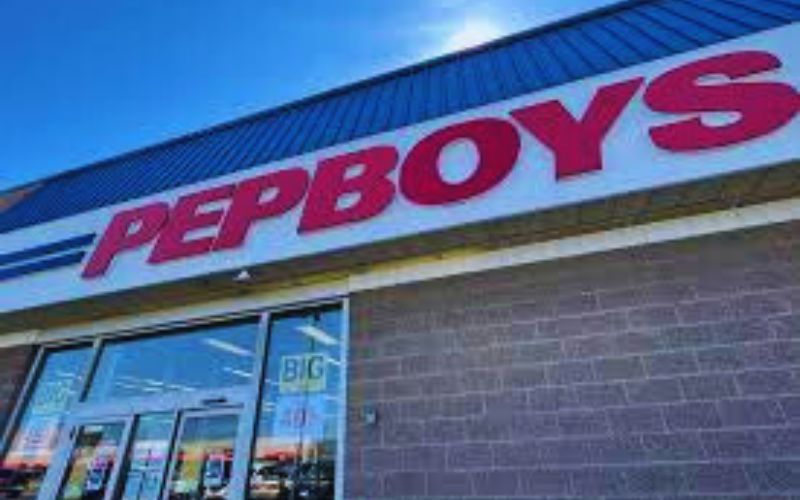
Let’s address it right at the top: No, Pep Boys is not going out of business. If you’ve driven by one of their old stores recently and noticed it’s closed, you might have wondered. But what’s happening is a pretty major change in strategy not a full shutdown.
Pep Boys still has a big footprint in the car repair world. They’re just not selling car batteries, wiper blades, or air fresheners at walk-in retail shops anymore. Instead, they’ve pivoted to focus on what they see as their real strong suit: automotive service centers.
The Big Shift: Away from Auto Parts Retail
For a lot of folks, Pep Boys has always been that place you hit up when your check engine light goes on. Grab some oil, maybe pick up a set of floor mats, and be on your way. But, as buying habits and competition shifted, the old retail model just wasn’t cutting it.
So, in December 2023, Pep Boys finished shutting down the last of their retail auto parts operations. If you’re used to popping in for a quick self-fix kit, you won’t find that anymore. The move made 81 storefronts available for lease or sublease across 24 states, so you might spot a “for lease” sign where a Pep Boys used to be.
Why pull out of retail? The short answer is competition especially from online giants and big-box chains. Keeping aisles full of car parts and shelf items takes up a ton of space and costs, and, honestly, a lot of drivers these days would rather buy spark plugs from their phone. Plus, there’s been a pretty clear shift toward professional service over DIY for a big chunk of customers. Pep Boys adapted.
What Pep Boys Actually Does Now
Here’s where a lot of the confusion starts: just because the store is closed, that doesn’t mean the service center is. As of now, Pep Boys continues to operate more than 900 service center locations. That’s over 7,500 service bays spread across 35 states and Puerto Rico. So, if your car’s making a weird noise or you need new brakes fast, there’s probably still a Pep Boys in your area to help you out.
The focus is now squarely on repairs, maintenance, and tires. That includes oil changes, inspections, battery replacement, brakes, suspension the kinds of stuff most drivers just don’t want to deal with in their own driveways.
It’s a clear sign of where they think the industry is headed. Lots of people don’t have the time, knowledge, or tools for car repairs anymore. Pep Boys is chasing after that chunk of the market instead.
The Icahn Automotive Group Factor
Back in 2016, Pep Boys was bought by Icahn Automotive Group. That’s Carl Icahn’s firm yes, the billionaire investor who’s been involved in all sorts of high-profile takeovers. Once Icahn took over, Pep Boys was part of a larger plan to build a major auto services business.
This isn’t the first time an old retail brand gets snapped up by a bigger company hoping to squeeze more out of it. But the Pep Boys deal was about more than just cutting costs or selling off real estate. Icahn’s team saw value in the company’s experience, tech, and reputation for service.
Over the past few years, Icahn Automotive has backed up the service center pivot. You can see this clearly in the shutdown of standalone retail spaces, and you can see it in how much they’ve invested in newer, bigger, and sometimes fancier repair shops.
Why Restructure? The Push for Efficiency (and Profit)
When you boil it down, this move is about making Pep Boys more profitable and fit for the digital age. Selling auto parts in big-box stores just isn’t the same moneymaker it used to be. Warehousing and shipping those parts gets more expensive every year, especially with tighter margins and online competition.
By closing underperforming stores and zeroing in on car services, Pep Boys frees up resources to invest in things like new diagnostic equipment, training, and digital booking systems. They’re betting drivers want friendly, expert help fixing cars not a row of windshield wipers to browse.
The company is trying to modernize every part of its operations. That includes better digital tools for appointments, smarter scheduling, and easier customer communication. It’s about meeting expectations, not just fixing cars the old-fashioned way.
What Happened to the Storefronts?
If you’ve seen an empty Pep Boys recently, you might be wondering what’s going on with all those buildings. When Pep Boys closed its retail operation, that meant 81 store locations were suddenly up for grabs. These are now available for lease or sublease, and they’re scattered across 24 different states.
Most of these spots are in familiar neighborhoods places where auto parts stores used to do brisk business. Some are even attached to service bays that are still open. In places where the retail space got shut down entirely, the whole property is likely being marketed to other businesses.
It’s actually a pretty common post-retail story old stores get snapped up by gyms, discount outlets, or specialty shops. Some locals will probably miss the old retail shops, but in most cases, the Pep Boys service center is still right next door or out back.
How Many Stores Closed and Where?
Not every single Pep Boys location shuttered their retail shops. The closures mostly covered specific states where the retail business wasn’t holding up. In total, the change affected stores in 24 states.
California and Florida had a good number of closures, for example, but so did a bunch of states across the Northeast and Midwest. If you’re driving cross-country, you’ll spot a lot more service center-only Pep Boys than you did a few years ago. Still, the brand is a long way from vanishing.
Changes Up Top: Leadership During the Shift
A big transition like this doesn’t happen smoothly without some reshuffling up top. Since Icahn Automotive took over, and especially during this shift away from retail, there have been a series of team changes at the executive and management levels.
It can be tricky to pull off a pivot this big, so it’s no surprise you see new faces leading the way. There’s been a real effort to bring in leaders with experience in auto services, not just retail sales. Decisions about what to keep, what to close, and where to invest are being made by folks with a deep background in service, repair, and logistics.
This new leadership is rooted in the practical know-how of running a busy garage chain, not just a traditional retail store. That’s helped speed up the shift and keep the business steady while customers get used to the changes.
The Current State and What’s Next
So, is Pep Boys going out of business? No. The store you grew up with might be gone, but the brand lives on in more than 900 automotive service centers across the country. The move away from auto parts retail didn’t spell doom; it was a preplanned, industry-wise pivot to stay ahead.
Drivers can still find an accessible, reliable place for car repairs, tire changes, and maintenance. The company is looking to modernize all the small, practical parts of customer experience everything from online appointment booking to text reminders.
It’s possible that some loyal customers miss the all-in-one stop for parts and repairs. But for most people, knowing there’s a place to get honest work done on the car is what counts. In fact, this is part of a bigger story happening across car retail. More people want service and less hassle, and businesses are following the trends.
If you’re curious about how other brands navigate changes in the retail and service industries, sites like United Business Mag often cover big moves and strategies pretty well.
A Real-World Example: The Customer Experience Now
Let’s say you pull into a Pep Boys today what should you expect? There’s usually no aisles of parts to browse. Instead, you’ll walk into a waiting area or straight to a service advisor desk. Staff are trained to handle diagnostics, everything from warning lights to engine trouble.
You’ll get a clear description of what’s going on, how much it’ll cost, and how long you’ll wait. Some newer locations are even set up to send service updates straight to your phone. This runs pretty different from the days when you’d pick up new windshield wipers yourself, but for most drivers, it’s actually less stressful.
Newer Pep Boys centers are spacious, busy, and updated. They’re built for customers who need routine maintenance, not for browsing air fresheners or high-performance exhaust pipes.
No Retail Comeback in Sight for Now
Don’t expect Pep Boys to return to the retail shelves anytime soon. The company says this shift is permanent at least for the foreseeable future. Their competitors places like AutoZone, O’Reilly, and even Walmart split retail auto parts pretty evenly, and it’s a crowded space. Pep Boys is playing to its strengths.
If you want to fix your own car, you’ll probably buy parts from another chain or just order online. For real hands-on help, Pep Boys stays in the mix.
The Bottom Line
What’s clear is that Pep Boys made a conscious choice to shift away from retail parts sales. Not because it was failing, but because the market has changed. These days, the company is all about auto service and making that experience easier and more reliable for the average driver.
Change this big isn’t always smooth, and some regulars might need time to adjust. But as things stand, Pep Boys isn’t going out of business it’s just adapting to what customers actually want. The service bays are still busy, the brand’s still around, and they’re betting big on the future of auto repair. If all you want is a simple oil change and a clear price, Pep Boys isn’t just staying open it’s digging in for the long haul.