
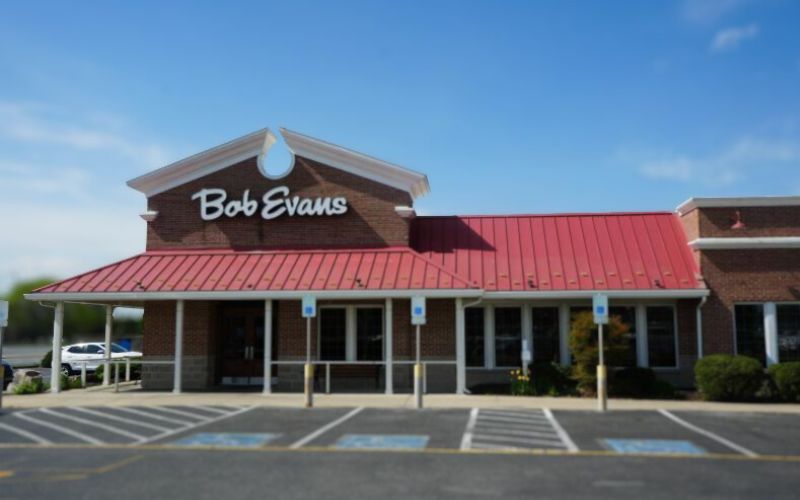
Let’s clear this up from the start: Bob Evans is not going out of business. If you’ve seen rumors online, you’re not alone these stories pop up every time an old favorite restaurant feels less busy or one closes in your town. But the facts tell a more down-to-earth story. As of July 2025, Bob Evans is still operating nearly 500 restaurants across the country.
You might not see one every time you hit the interstate, but you’re not imagining it there are fewer Bob Evans locations than there used to be. The various “are they closing?” questions floating around on social media make sense, especially if your favorite spot recently went dark. Still, the full picture is more about gradual change than any kind of meltdown.
Restaurants Still Open: Where Does Bob Evans Stand?
Let’s get specific. Bob Evans has around 500 restaurants open coast to coast as we hit summer 2025. They’re still serving classic country breakfasts, big plates of eggs and biscuits, and, yes, all those comfort food favorites. This count is down from earlier years, but there’s no sign of an overnight collapse.
The chain is, in fact, smaller than it was a decade ago. That decline didn’t come from any sudden crisis. If you look at the details, the company has mostly closed locations in a targeted way focusing on underperforming stores instead of shutting down whole regions or pulling out from large swaths of America.
So, if you’re wondering, the answer is pretty simple: No, Bob Evans isn’t disappearing anytime soon.
Looking Back: Why Did Some Bob Evans Restaurants Close?
This gradual shrinking isn’t random. The biggest recent wave of closures happened way back in 2016. At that time, Bob Evans shut down 27 restaurants in one swoop. Most were company-owned, and the rest were leased stores that closed by the next year. Their headcount dropped from 548 spots to about 521.
For the folks working in those restaurants, it was rough closures included severance or attempts at relocation for employees. But from a business viewpoint, the moves were about improving the bottom line. Management at the time said this would boost operating income by about $1 million.
If you look even earlier, Bob Evans also shut down 20 restaurants in a separate review. The point of all these moves? It wasn’t about a looming shutdown. The idea was to focus on stronger-performing locations and shed the ones that weren’t making money. They also aimed to cash in on property sales where restaurants didn’t fit anymore.
Gone are the days when companies hung on to every location no matter how badly it performed. In the current restaurant business, closing some sites especially in slower areas is a normal way to stay above water.
Recent Events: Closures, Ownership, and How Bob Evans Is Doing Now
In the last year or so, you might have heard about new closures. And yes, a few Bob Evans restaurants have quietly shut their doors. For example, the Bob Evans in Midway, Delaware said goodbye in April 2025. Melbourne, Florida lost its store in December 2024, and Ann Arbor, Michigan’s location closed without much warning.
These weren’t major media events or chain-wide announcements. Instead, affected customers often found out through a sign on the door or a quick mention in local news. If you live near one of these, it’s easy to think something big is happening everywhere. But when you zoom out, these have been isolated.
There’s been no giant wave of closures since 2016. The number of restaurants left is still in the hundreds, not dozens. The current owners private equity firm Golden Gate Capital, who picked up the restaurant chain in 2017 seem to be holding mostly steady.
It’s worth mentioning: Bob Evans as a brand actually split in two that year. The restaurant side went to Golden Gate Capital. The food products you still see in grocery stores? Those belong to Post Holdings, so company performance in the retail market doesn’t impact the restaurants directly.
Competition, Food Costs, and Sales: How’s Bob Evans Facing Today’s Challenges?
No surprise, the past couple of years have been tough for almost every restaurant that isn’t a fast-food or fast-casual mega-chain. The casual dining world think Bob Evans, Big Boy, Shoney’s has seen sales struggles. Some competitors have dropped dramatically: Big Boy’s sales fell by 12.4%. Shoney’s slid a whopping 26.8%. Bob Evans has managed to avoid such steep drops, with its focus on takeout and delivery softening the blow.
But challenges still pop up. Take egg prices. If you sit down at a Bob Evans today, expect to pay more for your favorite omelet than last year. Egg costs shot up 27.3% year-over-year into early 2025, squeezing profits at a restaurant chain where breakfast is the bread and butter.
Even with costs rising and competition getting tougher (especially from fast-casual options like Panera or Cracker Barrel), Bob Evans hasn’t shown signs of panic. They’re making tweaks sometimes behind the scenes to keep people coming in and grow sales over time.
Trying New Things: Strategic Swaps and Moderate Changes
One of the bigger changes? Selling alcohol. For decades, Bob Evans was a mostly dry family-style chain. But starting in 2021, it began quietly offering beer and wine at select restaurants. You’ll spot this more often in Florida, Indiana, West Virginia, and Ohio.
If you’re picturing Bob Evans suddenly becoming a sports bar, don’t worry. The vibe is still much closer to breakfast café than nightlife hangout. The alcohol selection is basic: no cocktail programs, no barstools, and nobody’s lining up for happy hour deals. Still, even a modest drink menu is a clear effort to attract new customers and maybe appeal to younger diners.
Of course, these changes come with some justified worries. Golden Gate Capital, the owner, has a track record that’s made headlines. Remember Red Lobster’s struggles? Under similar private equity management, some chains sold off property, took on more debt, or even ended up in bankruptcy (like California Pizza Kitchen). So far, Bob Evans hasn’t seen these dramatic decisions rolled out. There’s no large-scale asset stripping or bankruptcy filings connected to its name as of summer 2025.
The company seems to be walking a careful path, balancing small innovations against risks and watching what’s happened to other brands. If the goal is long-term stability, slow and cautious change might be the only realistic way.
Why Bob Evans Isn’t Just Like Other Chains
There’s something familiar about Bob Evans that’s stuck around even as the chain’s gotten smaller. Maybe it’s the food, the reliable breakfast vibes, or just the sense that it’s always managed to feel a little like home.
Not every restaurant chain manages to hang on to this feeling as they adapt. The food product business those famous sausage links and mashed potatoes is now a separate company, doing its own thing in grocery store aisles. But customers still connect the name Bob Evans with classic Americana and hearty plates, whether in the restaurant or at home.
The reality is, mom-and-pop chains getting squeezed out by fast-casual and trendy new concepts is a real trend. Bob Evans is larger than most of its old-school rivals and has, so far, managed to avoid the sharp declines or bankruptcies seen by other mid-range sit-down chains. That’s a difficult needle to thread in today’s restaurant market.
Is Bob Evans Safe? A Look at the Signs for the Future
So, let’s answer the elephant-in-the-room question: should you expect Bob Evans to stick around? Right now, there’s no sign of a sudden collapse. The private equity owners haven’t dumped a huge portion of real estate or announced mass closures. There aren’t any bankruptcy headlines tied to the restaurants. Year-over-year, the company is smaller but it’s not unstable.
From an industry angle, the risks aren’t zero. Fast-casual brands keep stealing market share, and food costs tend to spike at the worst possible times. Plus, the past tells us that private equity owners sometimes make bold decisions when profits don’t keep up.
But the strategy so far has been incremental change. The company seems focused on finding just enough of a new groove like the limited alcohol options to hold onto regulars and appeal to a new crowd. They’re not rebranding or reinventing the core experience overnight.
If you dig deeper into industry coverage and news sources like United Business Mag the consensus is that Bob Evans is staying flexible and stable, if not exactly thriving. With nearly 500 locations open, there’s no panic from management or big signals of trouble on their books.
So, What’s Next for Bob Evans?
Will every location survive? Almost definitely not just like in the past, underperforming stores will probably close when it makes sense. We’ll probably see new, small tweaks as Bob Evans continues to test new ways to keep regulars coming and win over new customers. Nothing about the current situation says “shutdown mode,” though.
If you’re a longtime customer, you might have to drive a few towns over to find your pancakes. But for now, Bob Evans is still in business. The news isn’t the end of the road just a quieter stretch with fewer stops.
In short, if you’re planning Sunday brunch, you’re still safe heading to Bob Evans. Changes will come slow and steady. The breakfast will still be there when you need it.