

Robert Mapplethorpe: A Photography Revolution
Ever wondered how one person can change the entire course of an art form? Imagine flipping through a black-and-white photo album where every image captures your gaze with precision, elegance, and a hint of controversy. Let’s dive into the life of Robert Mapplethorpe a genius who revolutionized photography through sheer audacity and unparalleled artistry.
Introduction to Robert Mapplethorpe
Let me introduce you to Robert Mapplethorpe, that audacious American photographer who brought a whole new meaning to black-and-white photography! He wasn’t just a shutterbug; he was a trailblazer who dared to challenge the norms with each click of his camera. When people think of artistic rebellion wrapped in monochromatic elegance, they think of Mapplethorpe. His work has become a beacon of how art can alter perspectives and ignite conversations. It’s striking, captivating, and sometimes, downright provocative.
Life and Education
Let’s rewind the tape to where it all began. Born in Floral Park, Queens, New York, Robert Mapplethorpe grew up in what he described as the quintessential suburban American environment safe and comfortable. But, oh boy, he was destined for more than just suburban tranquility. In the swinging sixties, he dived into the world of graphic arts at Pratt Institute in Brooklyn. Like many young visionaries, he dabbled in underground filmmaking before finding his true calling: photography.
Transition to Photography
Mapplethorpe initially used a Polaroid camera in the early 1970s, which may seem quaint now, but at the time, Polaroids were the Instagram of their day! Imagine experimenting with instant photos that you could manipulate almost on a whim. His first solo gallery exhibition, adorably titled “Polaroids,” was at the Light Gallery in New York City in 1973 a pivotal moment that marked his transformation into a serious photographer. Meeting Sam Wagstaff around this time was another game-changer. Wagstaff wasn’t just a mentor; he was also Mapplethorpe’s lover, and their relationship supercharged Mapplethorpe’s artistic journey.
First Solo Gallery Exhibition
Picture this: It’s New York City in 1973, and the Light Gallery is buzzing with anticipation. Everyone’s fixated on Mapplethorpe’s solo debut, “Polaroids.” The excitement in the room is nearly electric, as each image showcases not just the raw talent behind the lens but the palpable emotion conveyed in every shot. Some say it was more than just an exhibition; it was a bona fide artistic revelation.
The presence of Sam Wagstaff added more prestige to this debut. A respected art curator, Wagstaff saw something extraordinary in Mapplethorpe and became an indefatigable champion of his work. Wagstaff’s influence and support were crucial in propelling Mapplethorpe into the limelight, providing him with resources, encouragement, and connections that skyrocketed his career.
Evolution of Subject Matter and Style
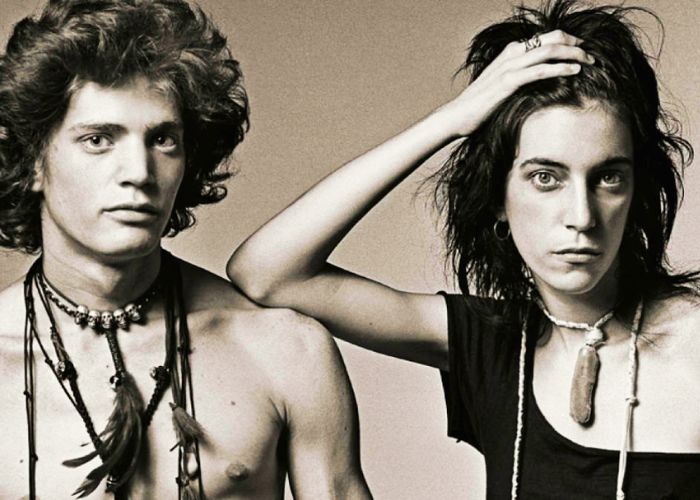
Now, let’s talk about how his style evolved, because it’s nothing short of fascinating! You’ve probably noticed that Mapplethorpe wasn’t one to shy away from controversial subjects. His lens captured a diverse palette, from stark, evocative celebrity portraits to delicate flower still lifes. One minute he was photographing Patti Smith, the next he was immersed in New York’s underground S&M scene. Gritty? Sure. Elegant? Absolutely.
What sets his work apart is the contrast both in tone and subject matter. His meticulous attention to compositional detail, lighting, and form is evident, creating works that are both technically masterful and emotionally stirring. Whether it’s a simple tulip or an avant-garde depiction of subculture, Mapplethorpe delivered each image with an enticing mix of curiosity and intensity that keeps you glued to the frame.
Important Relationships and Collaborations
Mapplethorpe’s artistry wasn’t crafted in isolation. No way. Key relationships acted as vital catalysts throughout his career. Take, for example, his dynamic partnership with writer and editor Jack Fritscher. Fritscher introduced him to places like the Mineshaft a famous BDSM gay leather bar in Manhattan that became a playground for Mapplethorpe’s creative expression.
And then there was the legendary collaboration with bodybuilder Lisa Lyon. Here’s the thing: Lyon wasn’t just a model; she was a muse. Their partnership sparked a noteworthy series of portraits and figure studies, culminating in the book “Lady: Lisa Lyon.” Her strong, muscular form and commanding presence became a canvas for Mapplethorpe’s exploration of gender and strength, allowing him to push the envelope even further.
Career Milestones and Innovations
Mapplethorpe’s career was as vibrant as it was influential. From displaying work in Documenta 6 in West Germany to securing an exclusive deal with the esteemed Robert Miller Gallery in 1978, each step fortified his status as a visionary. His exploration didn’t stop with subject matter; he was an innovator in photographic techniques too.
Think of it this way Mapplethorpe didn’t stick to one paintbrush. He experimented with everything from platinum prints on linen to Cibachrome and dye transfer color prints. His ability to experiment was almost alchemical, transforming the photographic process into something akin to fine art painting. His genius culminated in extensive retrospective exhibits, notably at the Whitney Museum of American Art and the National Portrait Gallery in London in 1988, recognizing his profound contributions to the field.
Legacy and Impact
Mapplethorpe’s journey, unfortunately, had a poignant twist. Diagnosed with AIDS in 1986, he continued to create, undeterred and full of purpose until his death in 1989. Rather than retreat, he used his remaining years to produce some of his most powerful work, not just as a farewell, but as a lasting impact that extended beyond his own life.
His establishment of the Mapplethorpe Foundation in 1988 was a masterstroke of foresight. The foundation didn’t just celebrate his work; it actively promotes photography as an art form while also funding AIDS and HIV-related research. It’s a legacy as multifaceted as the man himself. Among many posthumous publications, works like “The Black Book” and “Flowers” continue to captivate audiences globally, immortalizing his artistic prowess.
Conclusion
So, what’s Mapplethorpe’s takeaway for us all? Well, he taught us the power of art to provoke thought, challenge societal norms, and capture raw beauty in its boldest forms. Whether through the delicate petals of a flower or the raw intimacy of a provocative portrait, his work continues to be an influential tour de force.
In a world constantly evolving, the Mapplethorpe Foundation remains a pillar of artistic and social endeavor, reflecting Mapplethorpe’s indomitable spirit. If you’re itching for more insights and a dash of inspiration in the art world, don’t hesitate to explore United Business Magazine, where creativity meets commerce and the legacy of artists like Mapplethorpe continues to influence generations.
In the end, Mapplethorpe wasn’t just a photographer; he was a revolution, capturing humanity’s complexities one photograph at a time.
Also Read: